Achar 101: The Secret Science of Indian Pickles
Share on Social Media
Open any Indian kitchen cabinet and you'll find at least one jar of achar tucked between the spice tins — dense, glistening, packed with more flavour per spoonful than almost anything else on the table. But achar isn't just "Indian pickle." It's a completely different tradition from the vinegar-brined cucumbers most of the world grows up with, built on its own logic of salt, oil, and sun.
What Makes Achar Different
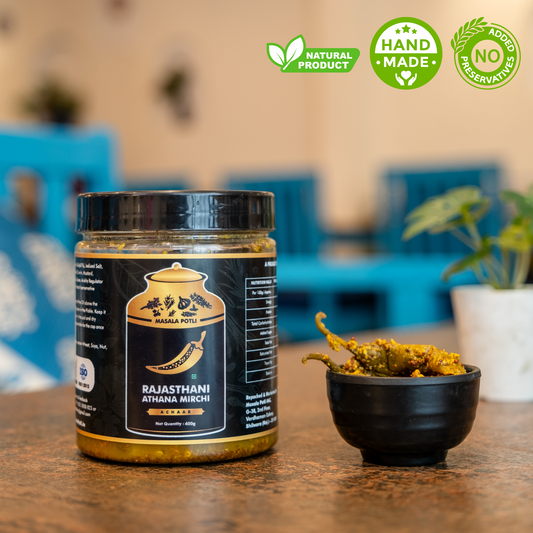
Western pickling usually leans on vinegar and a water bath to stop spoilage. Achar does it differently. Vegetables or fruit — raw mango, carrots, garlic, red chillies, lemons — are cut, salted, spiced heavily, and then submerged in oil, traditionally mustard oil. There's often no cooking involved at all. The preservation comes from the ingredients themselves working together, which is part of why achar tastes so much bolder than a jar of gherkins.
The Three Pillars: Salt, Oil, and Sun
Every achar recipe, however different the flavours, rests on the same three techniques:
- Salt draws moisture out of the vegetable, which removes the water that bacteria need to grow. This is why achar recipes often call for what looks like an alarming amount of salt — it's doing real preservation work, not just seasoning.
- Oil, especially mustard oil, forms a seal over the top of the jar and coats every piece. Mustard oil in particular has natural antimicrobial compounds, which is part of why it became the traditional choice across North and West India.
- Sun curing — setting the jar out in direct sunlight for several days — helps the spices infuse fully and lets any surface moisture evaporate before the jar is sealed for the long term.
Together, these three create an environment where spoilage organisms simply can't survive, which is exactly why a well-made achar can sit at room temperature for months without a fridge in sight.
The Regional Personalities of Achar
Ask five Indian households what "achar" means and you'll get five different jars. The spice blend, the base ingredient, and even the amount of oil change from state to state:
- Gujarati Lal Mirch Ka Achar — whole sun-ripened red chillies in mustard oil, fiery and unapologetic.
- Masala Gajar Ka Achar — carrots pickled while they're still crunchy, sweet-tangy-spicy in equal measure.
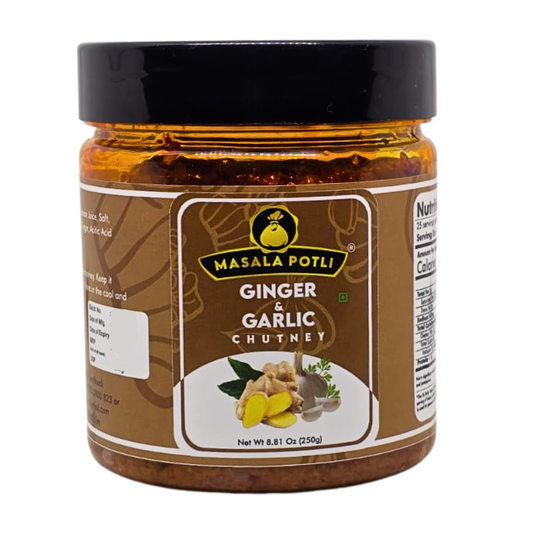
- Lahsun Ka Achar — whole garlic cloves cooked down until pungent and deeply savoury, a Rajasthani favourite.
- Khatta Meetha Nimbu Ka Achar — lemons balanced with jaggery for a sweet-sour pickle that splits opinion at every dinner table.
Beyond the Roti-Sabzi Plate
Achar earns its keep well outside the traditional thali. A spoonful of garlic pickle stirred into hot rice and ghee makes an instant meal. Carrot achar tucked into a grilled cheese sandwich adds a crunch and tang that cuts right through the richness. Lal mirch achar oil — yes, the oil itself — is often spooned over dal or khichdi for an extra layer of heat and flavour. And a smear of khatta meetha nimbu achar next to a plate of pakoras does more work than any dipping sauce from a bottle.
Keeping Achar at Its Best
A few habits keep a jar of achar tasting the way it should. Always use a clean, dry spoon — any moisture introduced into the jar is an opening for spoilage. Keep the oil level topped up so it fully covers the pickled pieces, and store the jar away from direct heat once it's finished curing. Done right, a good achar only gets better with a few weeks of resting, as the spices settle deeper into every piece.
Achar is proof that some of the best food preservation ideas were figured out long before refrigeration existed — using nothing more than salt, oil, sunlight, and patience. Next time a jar of pickle shows up on your table, it's worth pausing for a second to appreciate just how much craft went into it before it ever reached the roti.