Sonth, Haldi & Gur: How Indian Kitchens Cook for Winter
Share on Social Media
When the first real chill settles over North India, something shifts in the kitchen. The fridge gets a little emptier, the masala dabba gets a little busier, and the smell of ginger and jaggery starts drifting out of every home by late evening. Long before anyone talked about "seasonal eating," Indian grandmothers were already cooking for the cold.
This winter, we wanted to look at the humble ingredients that quietly take over our kitchens between November and February, and why they've earned their place there.
Sonth: The Quiet Hero of the Winter Pantry
Fresh ginger is an everyday ingredient, but dried ginger, or sonth, is the one that truly belongs to winter. Made by peeling, sun-drying and grinding ginger root, sonth has a deeper, earthier heat than its fresh form, and it keeps for months.
In many homes, a pinch goes into the morning chai, a spoonful into winter laddoos, and a little into dals and kadhi for that gentle warmth that builds slowly. It's also the backbone of panjiri and the gond laddoos that so many families make when the weather turns. If your pantry is missing it, our Dry Ginger (Sonth) Powder is an easy place to start.
Haldi, Fresh and Golden
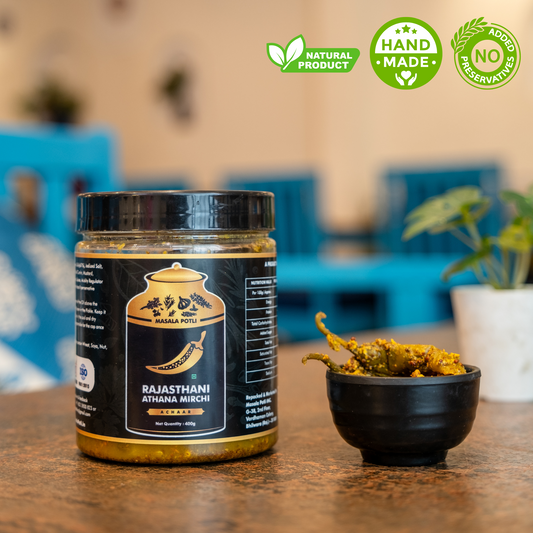
Winter is also when fresh turmeric root appears in sabzi mandis, bright orange inside and gloriously messy to cut. Rajasthan and Gujarat turn it into a sharp, tangy pickle with lemon and green chilli, while Punjabi and Rajasthani homes cook it into a rich haldi ki sabzi with generous ghee.
And of course, there's haldi doodh: warm milk with turmeric, a crack of black pepper and sometimes a pinch of sonth, sipped before bed. Every family has its own version, and every version is "the right one."
Gur: Winter's Sweet Spot
Winter is when sugarcane is crushed and fresh gur (jaggery) is boiled in giant open pans across Uttar Pradesh, Punjab and Maharashtra. New-season gur is softer and more fragrant than anything you'll find the rest of the year.
It finds its way into everything: gur ki roti, til-gur chikki, gajar halwa sweetened the old-fashioned way, or simply a small piece after dinner. Many families still end their winter meals with a bite of gur, a little ritual to round things off.
A Winter Kitchen Starter Kit
You don't need a full overhaul to cook the winter way. A few small swaps go a long way:
- Upgrade your chai: add a pinch of sonth and a crushed clove or two.
- Switch your sweetener: try fresh gur in place of sugar for halwa, kheer or laddoos.
- Reach for whole spices: black pepper, cinnamon and cloves bring more warmth to dals and pulaos.
- Bring out the bajra and makki: millet and maize rotis are classic cold-weather staples, best with white butter and a spicy chutney.
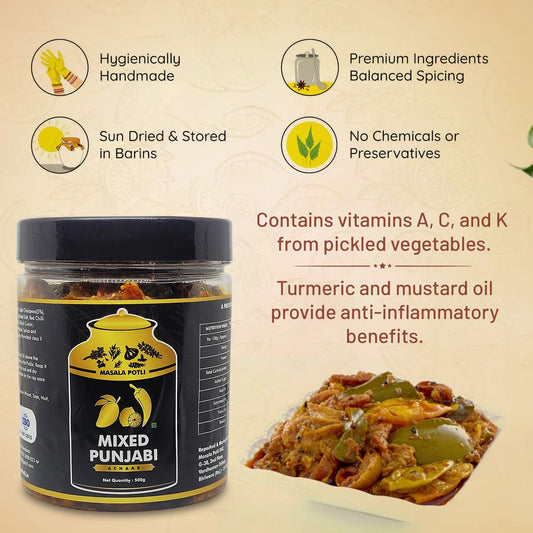
- Add a sharp pickle to the thali: fresh turmeric or garlic pickle cuts through rich winter meals beautifully.
Why These Traditions Have Lasted
Part of it is practical. Winter brought a harvest of ginger, turmeric and sugarcane, and drying, pickling and boiling them down were the best ways to make that bounty last. Part of it is comfort: there's a reason a hot cup of adrak chai feels like a hug on a foggy Delhi morning.
Ayurvedic tradition also describes many of these ingredients as "warming," and while modern kitchens may not follow those principles strictly, the habits have stuck around because, quite simply, the food tastes right for the season.
Bring the Warmth Home
The best part about winter cooking is that it's unhurried. A pot of dal with extra ginger, a plate of hot bajra rotis, a spoonful of fresh turmeric pickle on the side and a sliver of gur to finish: that's a meal that needs no introduction.
Whatever your family's winter rituals are, we'd love to hear them. And if you're stocking up for the season, take a look at our dehydrated powders and pickle collection for a few pantry staples worth keeping close until spring.