Mukhwas & Churan: India's Sweet Ritual After Every Meal
Share on Social Media
Walk out of almost any dhaba, thali restaurant or wedding pandal in India and you'll pass a little bowl by the door: fennel seeds, sugar-coated saunf, maybe a few colourful candies. Reach into a grandmother's kitchen cupboard and you'll find a jar of churan or amla goli tucked behind the pickles. Ending a meal with a small pinch of something tangy, spicy or sweet is one of India's most familiar food habits, and one of the least talked about.
What exactly is mukhwas?
Mukhwas comes from two words: mukh (mouth) and vas (fragrance). At its simplest it's a mouth freshener, traditionally a mix of roasted seeds such as fennel, sesame, ajwain and dhana dal, sometimes with coconut, rose petals or a dusting of sugar. Over time the word has grown to cover a whole family of after-meal nibbles: churan, chatpati goli, aam papad and imli candies all sit in the same happy corner of the Indian table.
Churan: the tangy cousin
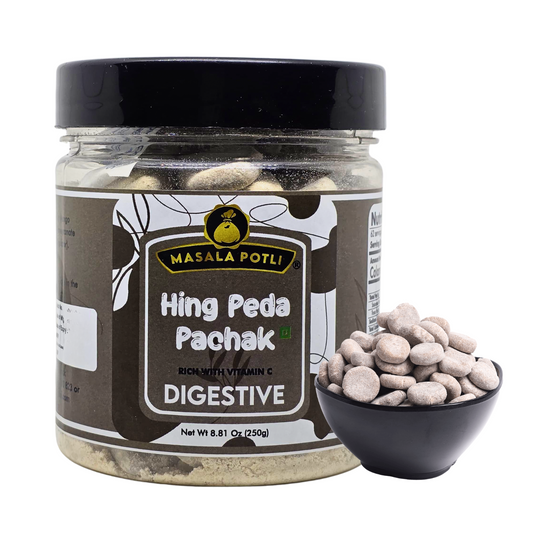
Where mukhwas leans fragrant and sweet, churan is bold and lip-puckering. Classic churan recipes combine amchur or tamarind with black salt, hing (asafoetida), roasted jeera, black pepper and a little sugar. That mix of sour, salty and pungent is exactly what makes it so moreish. Many families have their own version, and in towns across Rajasthan, Gujarat and Uttar Pradesh you'll still find churan sellers with rows of glass jars in every shade of brown.
Why the ritual has lasted
Part of it is tradition. Spices like fennel, ajwain, hing and black salt have long been used in Indian home cooking around heavier meals, and passing a little bowl after dinner is simply how many of us grew up. But the ritual also survives because it's genuinely pleasant:
- It resets the palate. After rich gravies, ghee and garlic, a burst of fennel or tamarind feels clean and bright.
- It signals the end of the meal. Like a cup of chai or a square of chocolate elsewhere, it's a small full stop.
- It's social. The mukhwas box is passed around, guests are offered a pinch, and conversation lingers a little longer.
- It's nostalgic. Few flavours bring back school-gate memories like a chatpati goli bought for a rupee.
A regional tour of after-meal treats
Every region does it a little differently. Gujarati homes are famous for elaborate mukhwas mixes with dhana dal and sesame. In the north, hing-heavy churan and kala khatta goli rule. Mango-belt states turn summer fruit into sweet-sour aam papad that keeps all year. And tamarind candies, sticky, sour and dusted with spice, are a pan-Indian favourite from Chennai to Chandigarh.
Build your own mukhwas tray at home
A small after-dinner tray is an easy way to make an ordinary weeknight meal feel like hosting. Here's a simple formula:
- Something fragrant: a small bowl of plain or roasted fennel seeds.
- Something tangy: a churan or hing-based goli, like our Hing Peda Churan.
- Something fruity: a few pieces of Aam Papad for the mango lovers.
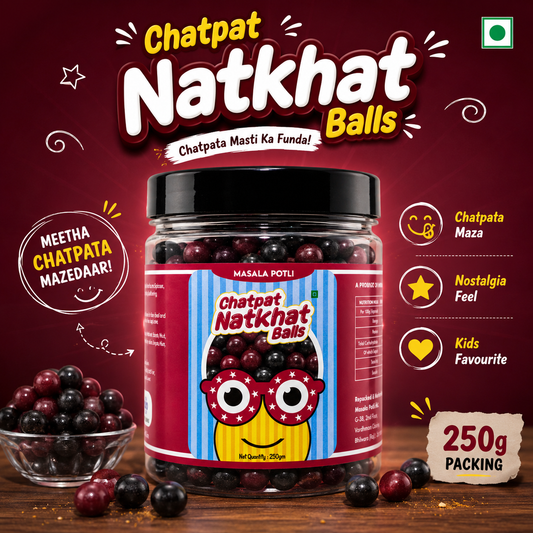
- Something nostalgic: Natkhat Balls or Jet Imli Candy for the kids (and the grown-ups who still act like kids).
- Something earthy: salty Amla Pachak Candy for those who like it sharp.
Use small katoris or a compartment box, add tiny spoons so everyone takes just a pinch, and keep the lids on between meals so everything stays crisp and fragrant.
A few tips for storing them
- Keep churans and candies in airtight jars, away from humid kitchen corners.
- Use a dry spoon every time; moisture is the enemy of anything sugar- or salt-coated.
- Buy in quantities you'll finish within a few months for the brightest flavour.
A small habit worth keeping
In a world of quick meals eaten in front of screens, the mukhwas bowl is a gentle reminder to pause, pass something around and enjoy the last bite of the evening. Whether you prefer a sweet, fragrant saunf mix or a fiery hing churan, it's a tradition that's easy to bring to your own table, one pinch at a time.
Want to start your own after-meal tray? Browse our range of churans, golis and mukhwas favourites and find the one that tastes like home.