Mukhwas 101: Why Indian Meals End on a Tangy Note
Share on Social Media
Ask anyone who grew up in an Indian home what comes after a big meal, and you'll likely get the same answer: a little something to finish it. A pinch of saunf, a tangy goli, a sweet-sour square of aam papad. That small last bite has a name, mukhwas, and it's one of the quietest, most beloved food traditions we have.
What Exactly Is Mukhwas?
Literally, mukh means mouth and vas means fragrance. Mukhwas is the umbrella term for after-meal mouth fresheners: seeds, spices, candied bits, and tangy churans. Every region has its own version. Gujarat leans toward sweet-coated saunf, Maharashtra loves its spiced supari-free mixes, and North India has a long love affair with tangy, salty churan goli.
Why the Tradition Stuck
Part of it is simply hospitality. Offering a plate of mukhwas at the end of a meal signals that the host isn't in a hurry, that you're welcome to linger. Part of it is flavour: after rich, ghee-laden food, something sharp, sweet, or sour resets the palate. Many families also grew up hearing that certain ingredients, such as fennel, ajwain, and hing, are traditionally associated with comfortable digestion. We'll leave the science to the experts, but the habit has certainly lasted generations.
The Flavour Families
- Sweet and cooling: fennel seeds, rock sugar, and dried rose petals.
- Tangy and salty: amchur, black salt, and tamarind-based churans.
- Warm and spiced: ajwain, roasted cumin, and a whisper of hing.
- Fruity and chewy: aam papad, imli candy, and amla goli.
Why It Matters More During Festive Season
Diwali tables are generous. Between kachori, mithai, and second helpings of everything, a tangy bite at the end feels almost essential. Setting out a small bowl of mukhwas next to the chai tray is an easy way to make your hosting feel complete, and guests tend to hover around it.
How to Build a Simple Mukhwas Tray at Home
You don't need anything fancy. Start with three small bowls:
- Something sweet, such as sugar-coated saunf.
- Something tangy, such as a churan goli or a piece of aam papad.
- Something spiced, such as roasted ajwain or a hing-based digestive goli.
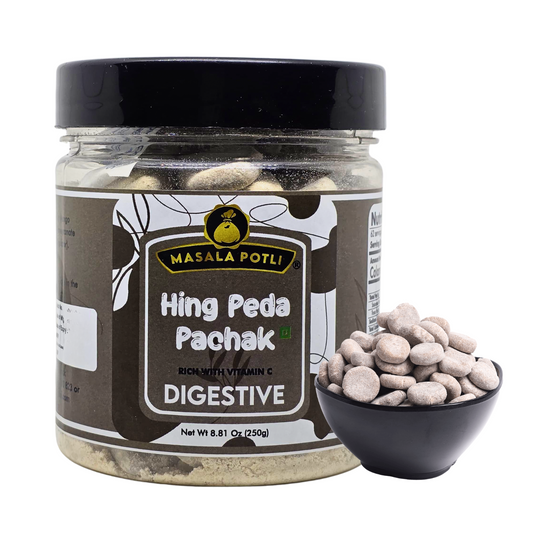
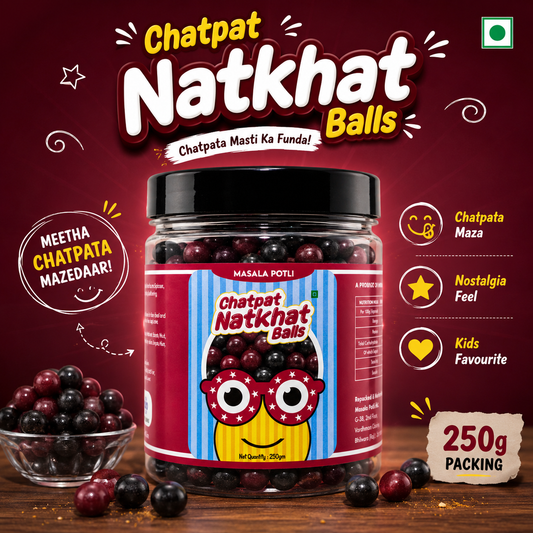
Add tiny spoons, a few cloth napkins, and you've got a conversation piece. If you'd like a head start, our nostalgia candy and digestive collection has the tangy, childhood-favourite end of the tray covered, including the Hing Peda Churan and the sweet-tangy Aam Papad.
Making Your Own at Home
Dry-roast a spoonful of fennel seeds until fragrant, toss with a pinch of black salt and a few drops of lemon juice, and let it dry on a plate. It takes five minutes and keeps in a small jar for a couple of weeks. Add sesame seeds or a little dried coconut for texture.
A Small Ritual Worth Keeping
In a world of fast dinners and faster screens, mukhwas is a reminder to slow down at the end of a meal. Pass the plate around, take a pinch, and let the table linger a little longer. That, more than any ingredient, is what makes it special.
What's your family's favourite mukhwas? Tell us, we'd love to feature a few readers' favourites soon.