Jeera 101: Why Cumin Is the Heart of Indian Cooking
Share on Social Media
Open any Indian kitchen's masala dabba and you'll find one spice that's almost always within arm's reach: jeera, or cumin. Earthy, warm, and slightly citrusy, it's the quiet backbone of everyday cooking, from a simple dal to a festive biryani.
What Is Jeera, Exactly?
Cumin seeds come from a small flowering plant in the parsley family, grown across India, especially in Gujarat and Rajasthan. The seeds are harvested, dried, and used whole or ground. Their aroma comes from natural oils, which is why freshness matters so much.
Whole vs. Ground: When to Use Which
Both forms have a place in your kitchen, but they behave differently:
- Whole seeds are best for tadka (tempering). They sizzle in hot ghee or oil and release a nutty, toasty fragrance that flavours the whole dish.
- Ground jeera blends into gravies, marinades, and spice mixes, giving a deeper, more even warmth.
- Roasted jeera powder is the finishing touch: sprinkled over raita, chaas, chaat, and fruit for a smoky punch.
How to Dry-Roast Jeera at Home
Roasting takes about two minutes and makes a big difference.
- Heat a dry pan on medium-low.
- Add a couple of tablespoons of whole seeds.
- Stir constantly until they darken slightly and smell nutty.
- Cool completely, then grind to a fine powder.
Don't walk away: cumin goes from fragrant to bitter quickly. Store the powder in an airtight jar away from light and use it within a month or two for the best flavour.
Simple Ways to Use More Jeera
Jeera rice: Temper cumin in ghee, add basmati and water, and you have a fragrant side for any curry.
Jeera water: Soak or simmer a teaspoon of seeds in water for a soothing, traditional drink many families sip after meals.
Raita: Whisk curd with salt, a little black salt, and a pinch of roasted jeera. Cool, tangy, and ready in a minute.
Chaat and snacks: A dusting of roasted cumin lifts boiled potatoes, sprouts, and fresh fruit.
The Digestive Tradition
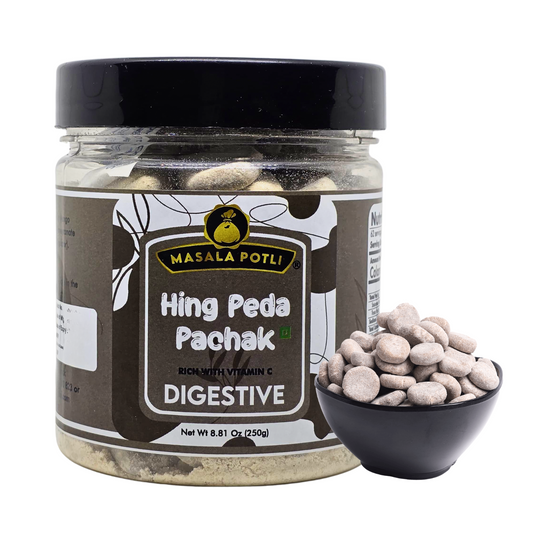
In Indian homes, cumin has long been associated with comfortable digestion, which is why it turns up in so many after-meal traditions. If you enjoy that idea, our Hing Peda Churan is a tangy, spiced digestive treat in the same spirit, perfect to pass around after a big family meal.
Buying Tips
Look for seeds that are uniformly greenish-brown, fragrant when rubbed between your fingers, and free of dust or stems. Buy small quantities, and toast just before grinding when you can.
Final Thoughts
Jeera may be humble, but it earns its place in every dish it touches. Toast it, temper it, sprinkle it, and notice how a single spice can change the character of a meal. What's your favourite way to use cumin? We'd love to hear it.