
Raksha Bandhan 2026: Festive Foods Beyond Just Mithai
Share on Social Media
More Than Mithai: What a Raksha Bandhan Spread Actually Looks Like
Raksha Bandhan (falling on August 28 this year) gets reduced, in most conversations, to a single image: a sister tying a rakhi, a brother handing over a box of ladoos. But walk into any Indian household on the day itself and the food story is much bigger than the sweet box. There's a full thali, a round of family favourites pulled out of the pantry, and — almost always — something tangy or salty served alongside the sugar to cut through it.
The Thali Comes First
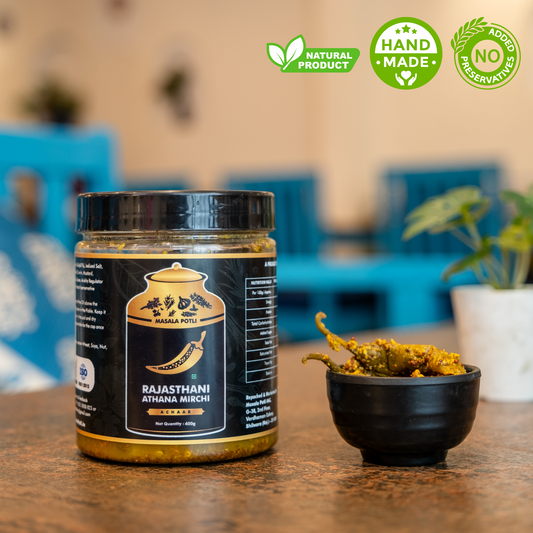
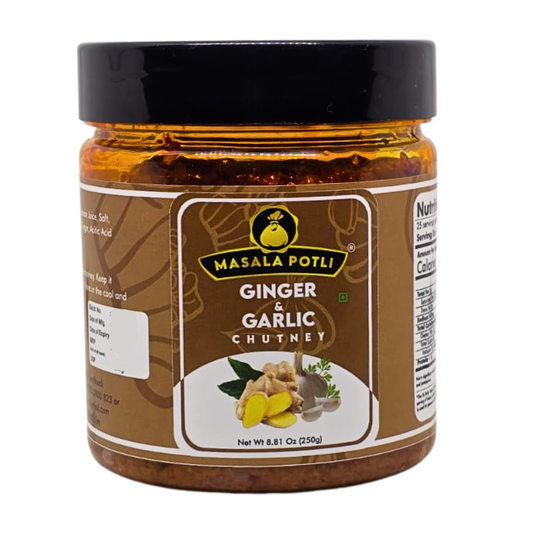
Before the mithai even appears, most homes sit down to a proper festive thali. It varies by region, but a few things repeat everywhere: a rich vegetable curry (often paneer or a seasonal sabzi), puris or parathas instead of everyday roti, a raita to cool things down, and — doing a lot of quiet work on the plate — a pickle or chutney. Achaar isn't a garnish here; it's the thing that keeps a rich, ghee-heavy meal from feeling one-note. A spoon of tangy lemon pickle or a sharp garlic achaar next to hot puris is a combination that shows up in Punjabi, Rajasthani, and Gujarati kitchens alike, just with a different pickle each time.
If you're hosting this year and want to cover multiple regional bases without making four separate batches of pickle, a mixed pack is the easy way out — something like a pickle trial pack with four regional flavours lets everyone at the table pick their own without you standing over a stove all morning.
Sweet, Then Sour, Then Sweet Again
Here's the part that surprises people who didn't grow up with it: the sweet course doesn't just come at the end. It's common to see something sweet-and-tangy served through the meal too — a chutney, a chunda, or a mango-based side that sits between the "sweet" and "savoury" categories entirely. Gujarati households in particular lean on this with dishes like aam chunda, a slow-cooked sweet mango relish that's sweet enough to work as a mithai substitute but still cuts through fried food the way a pickle would. It's worth putting on the table even if it wasn't part of your family's tradition growing up — it tends to win people over fast.
The Ritual After the Meal
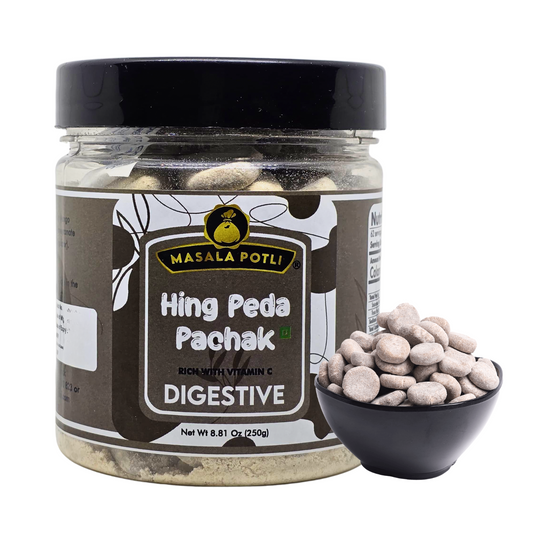
Once the plates are cleared, there's usually a small bowl doing the rounds — saunf, ajwain, or a churan-style digestive mix. This isn't an afterthought; it's mukhwas, and it exists specifically because festival meals are heavier than usual. A pinch after a Raksha Bandhan lunch that included puri, curry, rice, and mithai is less about tradition for tradition's sake and more about genuinely needing it. If your family doesn't already have a go-to, something like our Hing Peda churan works the same way saunf does, just with a bit more punch.
Gifting Angle: Food as the Rakhi Gift
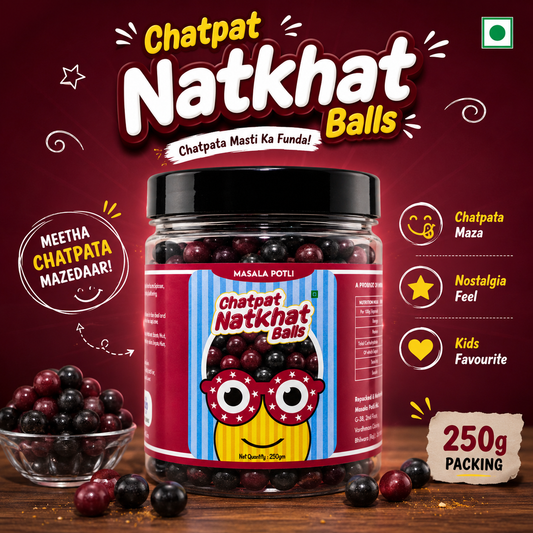
Increasingly, siblings are skipping the standard chocolate box and gifting something the other person will actually use — a pickle combo, a spice mix for a dish they always ask about, or a small hamper built around regional specialties they can't easily find outside their hometown. It's a low-effort way to make a gift feel specific rather than generic, and it usually gets used within the week instead of sitting in a cupboard.
A Simple Rakhi Menu, If You're Planning One
- Puri or paratha, fresh and hot, non-negotiable
- One rich curry — paneer, aloo, or a seasonal vegetable
- A cooling raita or plain curd
- At least one pickle and one sweet-tangy chutney on the side
- Mithai, obviously — but don't skip the digestive mukhwas after
Raksha Bandhan food doesn't need to be complicated to feel festive. Most of what makes it special is the range on the table — sweet, sour, spicy, and cooling all sitting next to each other — rather than any single elaborate dish. Whatever you're making this year, the pantry basics (a good pickle, a proper chutney, something to settle the stomach after) do more of the work than people give them credit for.