Mukhwas 101: The After-Meal Ritual Indians Swear By
Share on Social Media
Walk into almost any Indian home, restaurant, or roadside dhaba, and the meal doesn't quite end when the plates are cleared. A small bowl or sachet appears — a colorful, fragrant mix you take a pinch of, chew slowly, and let do its quiet work. This is mukhwas, and it might be one of the oldest "functional snacks" in the world, centuries before that phrase existed.
What Is Mukhwas, Really?
Mukhwas literally translates to "mouth freshener" in Hindi and Gujarati, but that undersells it. It's part palate cleanser, part digestive aid, part ritual. Unlike a mint or a stick of gum, mukhwas is built from whole seeds, herbs, and sometimes dried fruit — ingredients chosen for what they do inside your body, not just what they do to your breath.
An Ayurvedic Habit Older Than Dessert
Long before "gut health" was a wellness buzzword, Ayurveda was prescribing exactly this: a small bite after eating to support digestion (agni), freshen the mouth, and signal to the body that the meal is complete. Fennel seeds (saunf) stimulate digestive enzymes and ease bloating. Ajwain and hing settle the stomach. Coriander seeds (dhania dal) add a cooling, citrusy note. It's a habit built from observation, refined over generations, and it still holds up.
What's Actually in the Bowl
No two mukhwas mixes are identical, but a well-made one usually draws from a familiar pantry of ingredients:
- Saunf (fennel seeds) — sweet, aromatic, and the anchor of most mixes
- Sugar-coated seeds — for the classic candy-shop crunch
- Dhania dal (split coriander seeds) — light, citrusy, and easy on the stomach
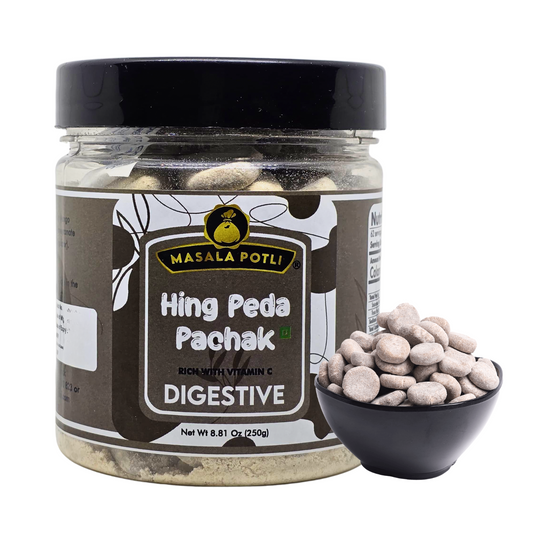
- Hing (asafoetida) — used sparingly for its digestive punch
- Dried fruit like aam papad — tangy, chewy, and a favorite with kids and adults alike
Regional versions lean sweet, spicy, or tart depending on where you're from — a Gujarati mukhwas plate looks different from a Rajasthani one, which looks different again from what you'd find at a South Indian meal.
Why It Still Matters Today
In a world of mints and gum loaded with artificial sweeteners, mukhwas is quietly having a moment as people look for snacks that are both satisfying and functional. It's naturally portion-controlled — a pinch is enough. It's caffeine-free and works as an afternoon pick-me-up. And because it leans on whole seeds and traditional churan rather than refined sugar alone, it fits neatly into how more people are eating now: smaller bites, real ingredients, and a nod to routines that have quietly worked for centuries.
Bring the Ritual Home
You don't need a special occasion to keep a jar of mukhwas on your dining table — that's the whole point of the habit. If you want to try it without measuring out a dozen ingredients yourself, our Aam Papad Mukhwas brings the classic tangy-sweet digestive roll to your table, and our Hing Peda Churan leans into the more traditional, digestion-first side of the ritual with a bold hing kick.
However you make it part of your meals, the idea is simple: a small, deliberate bite at the end of the table, the way it's been done for generations.