
Mukhwas 101: India's Age-Old After-Meal Ritual, Explained
Share on Social Media
Why Every Indian Meal Ends With a Little Something Extra
Walk into any Indian home, restaurant, or wedding hall, and the meal doesn't really end when the plates are cleared. It ends a few minutes later, with a small bowl or a little paper twist making its way around the table — something sweet, salty, sour, or all three at once. This is mukhwas, and if you've never stopped to wonder why it exists, you're not alone. Most of us just reach for it out of habit.
Turns out, that habit has a few thousand years of thinking behind it.
What Exactly Is Mukhwas?
Mukhwas literally translates to "mouth taste" or "mouth freshener" in Hindi and Gujarati. In practice, it's a catch-all term for the small digestive snacks eaten right after a meal — anything from roasted fennel and sugar-coated seeds to tangy amla candies and spiced churan goli. Its close cousin, churan, is the more medicinal-leaning version: a powdered or rolled-into-a-ball blend of digestive spices, often built around ingredients like hing (asafoetida), amla (Indian gooseberry), black salt, and pomegranate seed.
The line between "snack" and "digestive aid" is blurry on purpose. In Ayurvedic thinking, food is never just food — it's also medicine, and the meal isn't complete until digestion has been given a nudge in the right direction.
The Logic Behind the Ritual
There's real reasoning baked into this tradition, even if it predates modern nutrition science by centuries:
- Fennel and cumin are carminatives — they help reduce bloating and gas after a heavy meal.
- Hing has long been used to calm the stomach and is a staple in digestive churan across North and West India.
- Amla is packed with natural vitamin C and has a sour, palate-cleansing bite that cuts through rich, oily food.
- Black salt and dried mango powder stimulate saliva production, which genuinely does help digestion get going.
- The act of chewing something slowly after eating also just slows you down — a built-in pause between the meal and whatever comes next.
None of this was written down as "wellness advice" the way we'd package it today. It was simply what you did after you ate, passed down the same way a family's pickle recipe or chai ratio gets passed down — without much explanation, because none was needed.
A Regional Patchwork, Not One Recipe
Ask five Indian households what goes into their after-meal bowl and you'll likely get five different answers. Gujarati households lean toward sweet and mildly spiced mixes. Rajasthani and Marwari kitchens favour sharper, saltier churan built around amla and hing. South Indian meals often close with something as simple as a few saunf (fennel) seeds and a little jaggery. Street-side paan stalls layer in betel leaf, supari, and a dozen other things entirely.
What stays consistent, no matter the region, is the idea itself: something small, something intentional, right after the last bite.
Bringing the Tradition Home
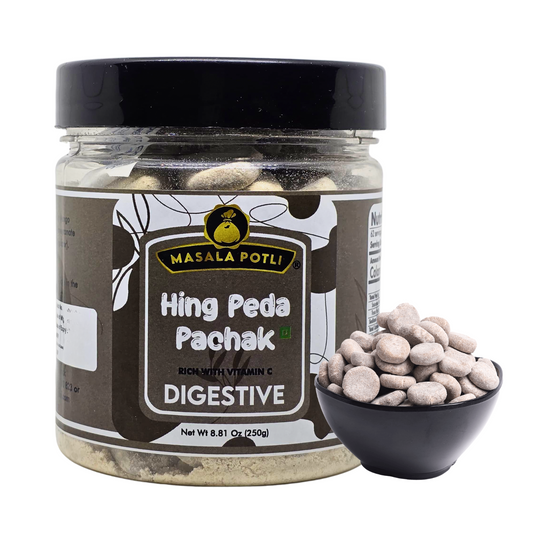
You don't need a paan stall or a family recipe box to keep this going — a well-made churan or mukhwas travels just as well in a jar on your own kitchen shelf. If you want to try a few classic styles, our Hing Peda Churan leans into the sharp, savoury side of the tradition, the Amla Pachak Candy brings that tangy, palate-cleansing hit, and the Khus Mukhwas is a cooling, minty option if you prefer something gentler. For pomegranate lovers, the Anardana Goli Churan is worth keeping in the pantry too.
Next time a meal wraps up, skip the mint you'd normally reach for and try something with a little more history behind it. Your grandmother's generation was onto something.